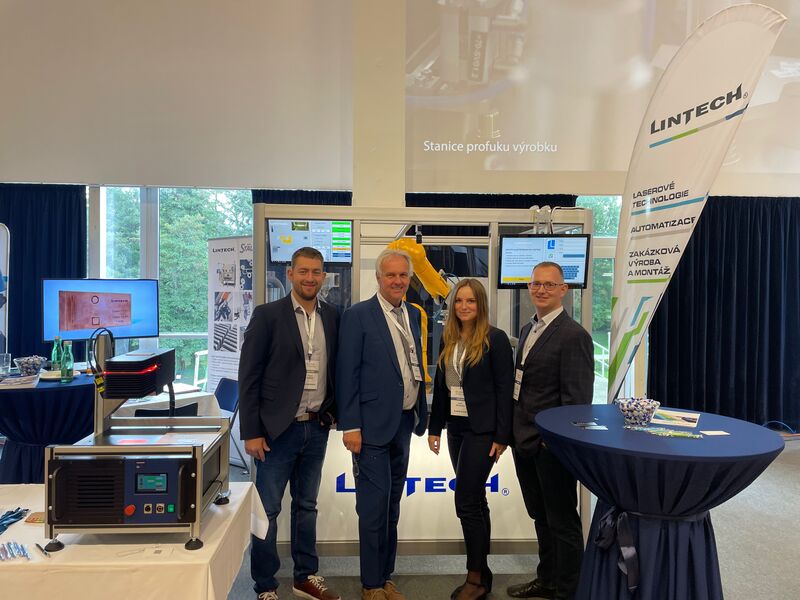
Article on the portal strojirenstvi.cz about laser welding
4. 11. 2019
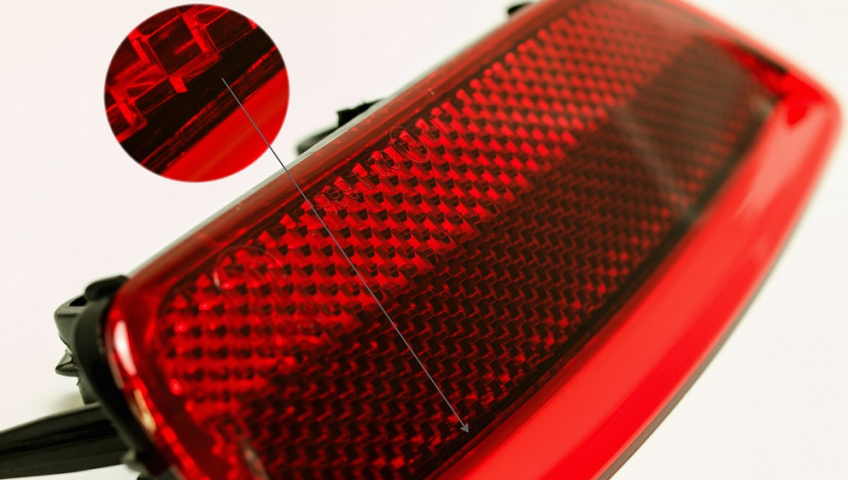
Plastic welding as a method of permanently joining plastic parts is a frequently used industrial technology. With the help of LINTECH’s laser system, it is possible to create a very flexible, fast and reliable process whose limitations are far outweighed by the advantages provided.
As a method of permanently joining plastic parts, plastic welding is a frequently used industrial method. Although welding of plastic components is carried out using several types of methods, laser welding is increasingly being used.
With a laser system from LINTECH, it is possible to create a very flexible, fast and reliable process whose limitations are far outweighed by the benefits provided. Solid-state lasers with wavelengths in the near-infrared spectrum are used, e.g. diode lasers and very often also fibre lasers. As plastics have a low melting temperature and poor thermal conductivity, lasers with powers up to 300 W are sufficient for the application, in some cases even lasers with powers of only a few tens of watts can be used successfully.
Transmissive method
Most often, the so-called transmissive method is used in welding, when one plastic is “overlapped” by another (the plastics lie on top of each other, the upper piece overlaps the lower one). The top plastic transmits the laser radiation to the bottom layer and there, at the junction of the two materials, the beam is absorbed. The heat input melts the lower layer, then, after conduction, the upper layer, and under pressure the melts are mixed, leading to the welding of the parts.
Variability of welding equipment
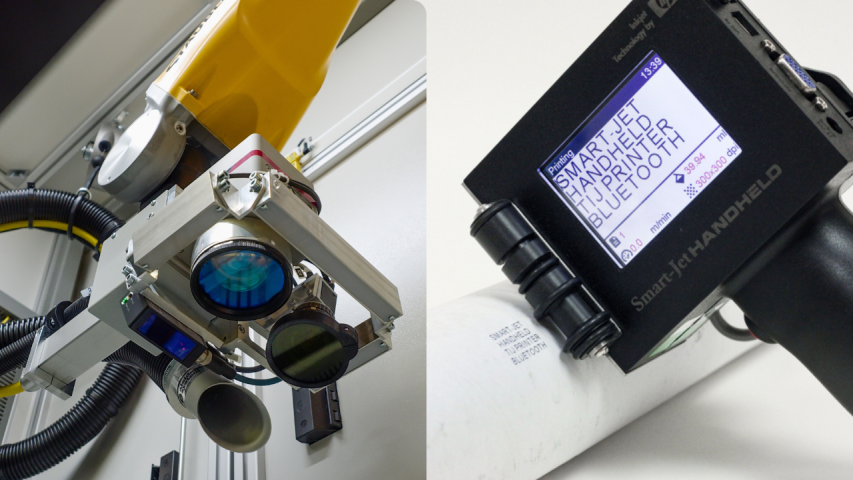
Depending on part shapes and other application requirements, LINTECH welding equipment can take many forms. When welding smaller parts, a more space-saving solution is used, using a laser deflection head that sweeps the laser beam at high speed and often repeatedly across the material surface at the weld contour (the so-called quasi-simultaneous method). If the parts to be welded are larger or more complex and the deflection head optics can no longer accommodate them, a robotic arm with a technological laser head is used for the process.
Have we worked together before? We can help you expand the capabilities of your facility to suit your needs.
We use cookies and other services for content personalization, advertising and analytics. We share information about your use of the Site with partners who may combine it with other data as a result of your use of their services. By clicking "I Agree", you give us permission to process personal information and cookies for personalized content, advertising and analytics purposes.
Functional and technical (necessary)
Always active
Necessary cookies and services are essential for the proper functioning and display of the website, enabling basic navigation or filling out forms or logging into secure sections.
Předvolby
Technické uložení nebo přístup je nezbytný pro legitimní účel ukládání preferencí, které nejsou požadovány odběratelem nebo uživatelem.
Analytical
Analytics cookies and related services are useful in tracking visitor numbers and identifying traffic sources, allowing us to continually improve the performance of our website.Technické uložení nebo přístup, který se používá výhradně pro anonymní statistické účely. Bez předvolání, dobrovolného plnění ze strany vašeho Poskytovatele internetových služeb nebo dalších záznamů od třetí strany nelze informace, uložené nebo získané pouze pro tento účel, obvykle použít k vaší identifikaci.
Marketing
Some of our advertising partners may set cookies on our website. By granting consent, we may use the cookie or other personal information (phone, email or address) to create profiles based on your interests and then serve relevant advertising on other websites through advertising systems such as Meta Ads, Google Ads and Sklik.